Best Places to Buy Bison Meat in Orlando, Florida

Bison meat has become an increasingly popular choice for people looking for a healthier, leaner alternative to traditional beef. With its rich flavor, lower fat content, and impressive nutritional profile, bison is now showing up in everything from home kitchens to upscale restaurants across Central Florida. Much like how Orlando Pest Control helps keep homes running worry-free, choosing high-quality bison can help you feel confident about what you’re bringing into your kitchen.

If you’re located in Orlando, Florida—or nearby areas like DeLand, Deltona, or Lake Mary—you actually have several great options for finding high-quality bison meat. From local butcher shops to farm-direct sources, here are the best places to buy bison meat in and around Orlando. These markets and suppliers also rely on Orlando Pest Control to treat their facilities and keep them clean, safe, and pest-free, ensuring the highest standards for food handling and storage.

Local Butcher Shops in Orlando

One of the easiest and most reliable ways to buy bison meat is through local butcher shops. These businesses often focus on quality sourcing and can provide fresher, better cuts than typical grocery stores.

Palm Beach Meats

Palm Beach Meats is one of Orlando’s top destinations for premium and specialty meats. Known for its high-end selection, this butcher shop offers a variety of unique proteins, including bison when available.

What makes this location stand out is its focus on quality and consistency. The meats are carefully sourced, and the staff is knowledgeable, making it a great place if you’re new to cooking bison. Whether you’re looking for ground bison for burgers or steaks for grilling, this shop is a dependable option.

Southern Steer Butcher Ocoee

Located just outside Orlando, Southern Steer Butcher is a well-known artisanal butcher shop that focuses on high-quality, locally sourced meats. They offer a wide selection of premium cuts and frequently carry specialty meats like bison or can order them upon request.

This is a great option if you’re looking for something specific, such as bison ribeye or bulk ground meat. Their ability to special order makes them especially useful for customers who want consistent access to bison.

Best Meats

If you’re willing to take a short drive from Orlando, Best Meats is one of Central Florida’s most established butcher shops. They offer a wide range of meats, including bison, elk, and venison.

Best Meats is known for fresh cuts prepared daily, a large selection of exotic meats, and traditional, customer-focused butcher service. Bison meat here is not only flavorful but also highly nutritious, offering more iron and essential nutrients compared to beef.

Farm-Direct Bison Near Orlando

If you want the freshest and most natural option, buying directly from a farm is one of the best ways to go.

Cypress Farms Bison Ranch

Located just north of Orlando, Cypress Farms Bison Ranch offers farm-to-table bison that is 100% grass-fed and raised without hormones or antibiotics.

Buying directly from a ranch gives you several advantages. You know exactly where your meat comes from, you can often buy in bulk such as quarters or halves, and the meat is typically fresher and less processed. This option is ideal for families, meal preppers, or anyone serious about clean eating.

Specialty Meat Markets in the Orlando Area

Some markets focus specifically on exotic or specialty meats, making them a great place to find bison.

Heights Meat Market

Heights Meat Market is known for carrying a wide variety of premium and exotic meats, including bison, elk, venison, and more.

This is a great option if you want to explore different types of wild game or experiment with new recipes. Their selection often includes unique cuts you won’t find in standard grocery stores.

Online and Delivery Options

If convenience is important, you can also order bison meat online and have it delivered directly to your home in Orlando.

Some specialty meat companies offer a wide selection of meats, including multiple bison products such as steaks, ground meat, and specialty cuts.

Online ordering is ideal if you want access to a wider variety of cuts, prefer bulk purchasing, or do not want to travel to multiple stores.

Grocery Stores

While not as consistent as butcher shops, some grocery stores in the Orlando area occasionally carry bison, especially ground bison.

Stores like Publix may sometimes carry ground bison or limited cuts depending on location and availability. This can be a convenient option, but the selection is often limited compared to specialty markets.

Why Choose Bison Meat?

Bison meat is not just a trend. It is a genuinely healthier option compared to traditional beef.

Some of the key benefits include lower fat content, higher protein levels, richness in iron and vitamins, and a better omega-3 to omega-6 ratio. It also has a slightly sweeter and richer flavor, making it perfect for burgers, steaks, chili, and slow-cooked meals.

For many shoppers in Orlando, bison is appealing because it offers the satisfaction of red meat without some of the heaviness that comes with fattier cuts of beef. It is a smart choice for people who want flavorful meals while still paying attention to health and nutrition.

Tips for Buying Bison in Orlando

If you are new to buying bison meat, there are a few things to keep in mind.

Start with ground bison if you are a beginner. It is affordable, versatile, and easy to cook in recipes you already know, such as burgers, meatballs, tacos, or chili.

Ask about sourcing whenever possible. Grass-fed and pasture-raised bison is usually considered higher quality and often has a cleaner taste.

Be careful not to overcook it. Because bison is leaner than beef, it cooks faster and can dry out if left on the heat too long. Medium rare to medium is often the best range for steaks and burgers.

Buying in bulk can also be a good idea if you find yourself using bison often. Purchasing directly from a ranch or specialty supplier may save money over time and gives you more control over the cuts you receive.

What Makes Orlando a Good Place to Find Bison?

Orlando’s growing food scene and access to surrounding agricultural areas make it a surprisingly good place to shop for bison meat. Between local butcher shops, nearby ranches, and specialty markets, shoppers have more choices than they might expect.

The area’s mix of health-conscious consumers, food enthusiasts, and specialty meat suppliers helps support demand for alternatives like bison. That means whether you are cooking for your family, meal prepping for the week, or trying something new for a backyard cookout, you are likely to find an option that fits your needs.

Orlando may not be the first city that comes to mind when people think about bison meat, but it offers a solid variety of places to buy it. From premium butcher shops like Palm Beach Meats to farm-direct options like Cypress Farms Bison Ranch, there are several reliable places to explore.

Whether you prefer shopping in person, ordering specialty meats, or buying directly from a ranch, you can find fresh, flavorful, and nutrient-rich bison meat right here in the Orlando area.

If you are looking to upgrade your meals with a healthier red meat option, bison is definitely worth trying, and Orlando has plenty of places to help you get started.
Top Uses for Bison Byproducts (Beyond Meat)

When most people think of bison, they immediately think of lean, healthy meat. While that’s certainly one of the most popular products, the reality is that nearly every part of the animal can be used in meaningful, practical, and even highly profitable ways. From leather goods to fertilizers and industrial materials, bison byproducts have played a critical role in industries for centuries—and they continue to offer sustainable opportunities today.

This “nothing goes to waste” approach is not new. Indigenous cultures across North America used every part of the bison for survival, creating tools, clothing, shelter, and more. Today, modern industries are rediscovering and expanding on these uses in innovative ways.

Let’s explore the top uses for bison byproducts beyond meat.

Bison Hides: Durable Leather for Modern Use

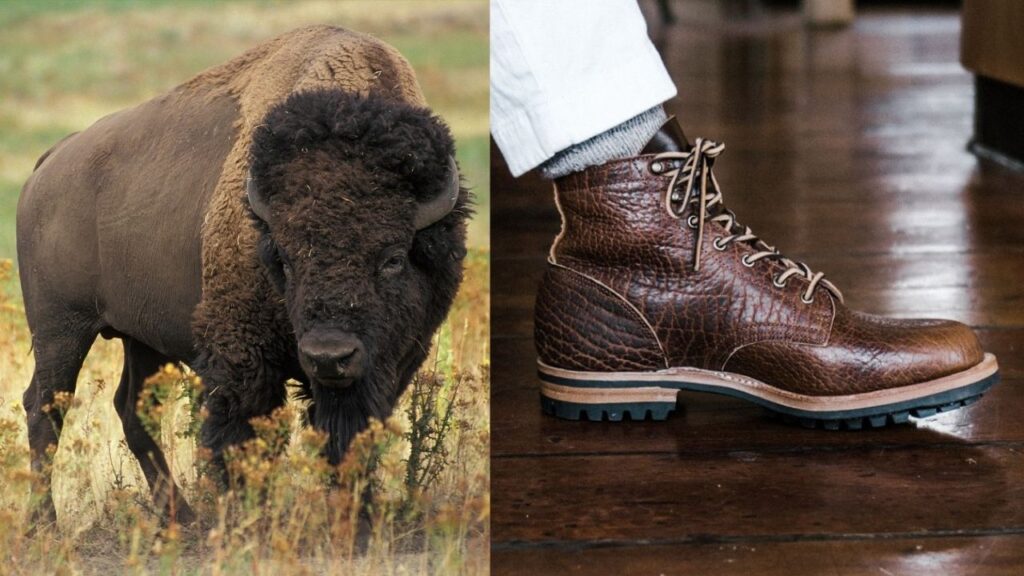
One of the most valuable byproducts of bison is the hide. Bison leather is known for being thicker, stronger, and more durable than traditional cowhide. This makes it ideal for high-end, long-lasting goods that can withstand years of use.

Common uses include boots and shoes, belts and wallets, jackets and outerwear, and furniture upholstery. Historically, bison hides were used in industrial applications such as machinery belts. Today, they are prized for their rugged look and durability, often marketed as a premium leather option.

Bones: Fertilizer, Tools, and Industrial Materials

Bison bones have long been recognized as one of the most versatile and economically valuable byproducts.

Bones are rich in phosphorus, making them ideal for agricultural use. They are commonly ground into bonemeal, which helps improve soil health and plant growth.

Beyond agriculture, bones are used in industrial applications such as charcoal filtration systems, glue production, and even bone china manufacturing.

They have also been used for tools and crafts, including knives, scrapers, sewing needles, awls, and gardening tools. This wide range of applications highlights just how valuable bone material can be across industries.

Horns: Functional and Decorative Items

Bison horns are both durable and flexible when properly treated, making them useful for a wide range of applications.

They are commonly crafted into cups, ladles, and utensils, as well as powder horns and storage containers. In addition, horns are used in jewelry, decorative pieces, and rustic home décor.

They also hold cultural and ceremonial significance, adding to their value beyond everyday use.

Fat (Tallow): Soap, Candles, and Skincare

Bison fat, also known as tallow, is a highly versatile byproduct with both historical and modern uses.

It is commonly used to produce soap and skincare products, candles, cooking fats, and lubricants. Today, tallow is especially popular in natural skincare due to its compatibility with human skin, offering deep hydration and nourishment.

Hair and Wool: Insulation and Textiles

Bison hair, particularly the soft undercoat, is incredibly warm, lightweight, and durable. It is increasingly being used as a sustainable textile material.

It can be spun into yarn for clothing such as hats, scarves, and gloves, or used as insulation material. It is also used as stuffing for pillows and crafts.

Bison fiber is often compared to cashmere but offers added strength and sustainability, making it appealing to eco-conscious consumers.

Hooves and Collagen: Glue and Gelatin

Bison hooves and connective tissues are rich in collagen, making them useful for both industrial and commercial applications.

They are commonly processed into glue for woodworking and crafts, gelatin for food and industrial use, and collagen supplements. Hooves may also be used in traditional crafts and decorative items.

Organs and Internal Materials: Practical and Niche Uses

While less commonly discussed, internal parts of the bison have historically been used in highly practical ways.

Stomachs were often used as cooking vessels, while bladders served as storage containers. These materials were also used as natural casings for food production.

These uses demonstrate a highly resourceful approach to utilizing every part of the animal.

Dung: Fuel and Fertilizer

Even bison waste has historically served important purposes.

Dried bison dung, often referred to as “buffalo chips,” has been used as a fuel source for cooking and heating, especially in areas where wood was scarce. It has also been used as a natural fertilizer to improve soil health.

Today, manure continues to play an important role in sustainable farming practices.

Skulls and Heads: Decorative and Commercial Use

Bison skulls and heads are widely used in rustic home décor, mounted displays, and educational exhibits.

They are especially popular in Western-style design and can hold significant value depending on quality and presentation.

Why Bison Byproducts Matter Today

The use of bison byproducts goes far beyond tradition—it aligns closely with modern sustainability goals. By utilizing every part of the animal, producers can reduce waste, increase profitability, and support environmentally responsible practices.

This “whole animal” approach is becoming increasingly important as consumers look for products that are both functional and eco-friendly.

Final Thoughts

Bison are far more than just a source of meat—they are one of the most versatile and sustainable livestock animals in North America. From leather goods and textiles to fertilizers and skincare products, their byproducts support a wide range of industries.

As demand continues to grow for natural, durable, and eco-friendly materials, bison byproducts are positioned to play an even larger role in the future. Whether you’re involved in agriculture, manufacturing, or retail, understanding these uses can open the door to new opportunities in the evolving bison industry.

Fresh Bison Meat – Source Of Healthy Food

Bison meat is a very popular food in the United States of America. This is very near to beef but the nutritional value of Buffalo meat is better than beef. Bison are very similar to cows in their body structure and food habit. They are mainly fed on green grass, leaves, and so on. For a very long time, buffalo meat is very popular among food lovers and is in high demand in supermarkets. Bison meat is indeed a bit more expensive than beef, chicken, and others in its category. At the same time, this is also a fact that bison meat is far more advantageous than others.

The health benefits of the meat of grass-fed animals are always higher. The comparatively high prices of buffalo meat are justifiable because of several reasons. Fresh buffalo meat has more potential concerning nutrition than others. According to scientific studies, the amount of calories in that meat is very low in comparison to beef and chicken. In 100g of cooked buffalo meat, one would find around 2.42 g of fats along with 82mg of cholesterol and 143 calories. In the same amount of cooked skinless chicken, there will be around 190 calories along with 7.45g fat and 90mg cholesterol. The same amount of cooked beef will provide around 9.30g of fats and 85mg of cholesterol with more than 210 calories.

Buffalo meat is also a better source of iron per serving than other meats like beef, chicken, and pork. It is also better than other meat products in its cleanliness, texture, hygiene, taste, and quality. The presence of Omega 3 Fatty Acids makes it even more rich and healthy food. So there would be less fat and more activeness in all those who consume bison meat regularly.

Along with the health issues, buffalo meat is also a treat for our taste buds. It has a sweet flavor and is very light in comparison to others in the category. There are a few misconceptions about this meat like it has some off flavors and is very greasy. These are nothing more than rumors because with much less fat and cholesterol, this meat cannot be greasy at all and for the off-flavor, it can be said that it is a bit sweeter than meats like beef and pork.

Bison Leather Hides Are The Enduring Standard For Casual Men’s Dress Shoes

There are few stories more tragic and redemptive than the bison also known as the buffalo. It is said that a few hundred years ago if you had roamed from the East to the West of North America, you would return to your homeland speaking of the bison. They were the symbol of the land in many ways, including the natives who lived and thrived through the use of the bison.

https://www.youtube.com/watch?v=fIs43eDKLJg

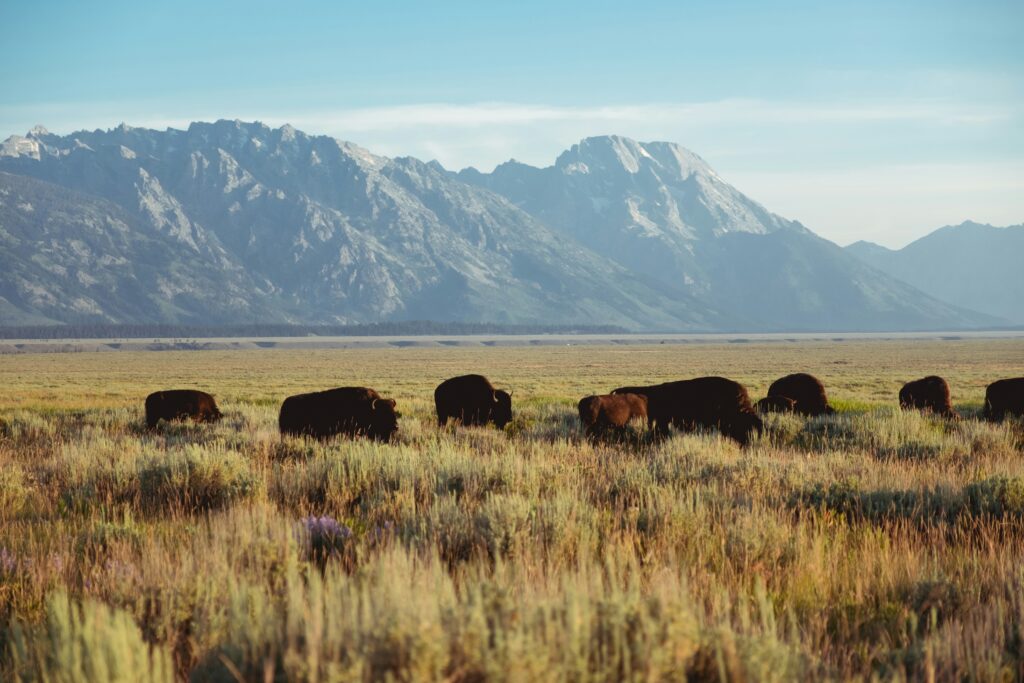
They roamed the grasslands of America in herds numbering tens of thousands. So numerous were they during the American settlers heading West that it was said they could travel by wagon for an entire day and never pass the herd.

By the 19th century due to commercial hunting by many of the Easterner’s desire to have a piece of the West in a fashionable robe or hide, they became nearly extinct. With the tension and wars between the Natives of the land and the new settlers, the bison or buffalo were seen as related to “savages.” Instead of honoring the animal, man welcomes its destruction. The preferred meat was the European cows brought over. Even though the bison was a much more hardy animal and better suited to its natural landscape, it was never seen as an animal to be respected. Reduced to nearly a few hundred by the mid-1880s. It is one of the great tragedies that animals so symbolic of the region almost were wiped out.

Due to conservation efforts by many, including the National Parks and Theodore Roosevelt, the few remaining bison were preserved and re-introduced into National Parks to breed. They have since become a great success story in our country with their re-population.

What makes the bison such a wonderful leather for shoes is their genetics. Since leather is a product of the animal, it’s important to think about the function of those animals. While cows have been readily available brought over by our European ancestors, they are more frail animals. But the buffalo can survive in freezing climates reaching -50 degrees in the Dakota during a winter or up to 110 degrees in the Arizona hot climate. This survivability and adaptability is part of the hide. It provides the unique hide fiber structure that after thousands of centuries became the perfect leather that was resilient and tough.

When it comes to a shoe, you need rigid leather that will hold its form but also stretch to the individual’s feet. This is what makes bison leather so unique. While cow leather has horizontal fibers, bison hides and leather has an interlocking fiber structure so it stretches out, and then after its use fits back together. It is truly the ultimate leather for shoes.

Alaska – Bison Big Game Animal

The American bison is one of several big game animals in Alaska. The bison was transplanted to Alaska from Montana in 1928, after becoming almost extinct in America. Twenty of these animals were delivered to an area around Delta Junction and by 1985 the population had grown to approximately 700.

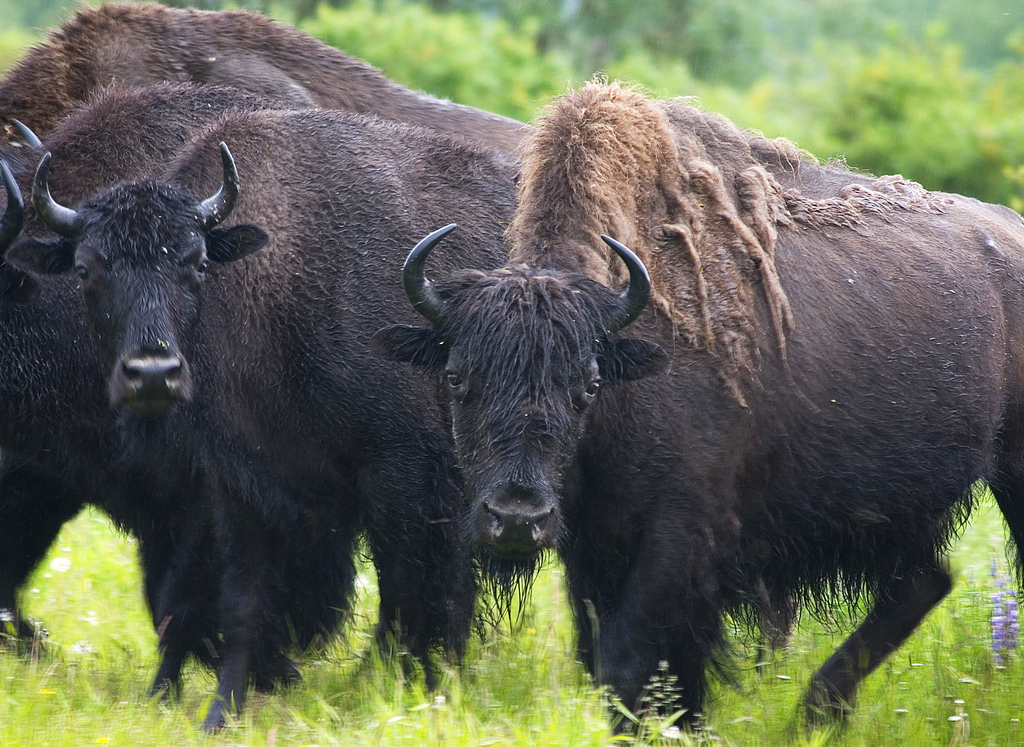
The bison is a spectacular animal in size, measuring six feet at the shoulders, almost ten feet long, and weighing over a ton. The head and front quarters are the largest part of the body, making this section look out of proportion to the hind quarters, which are smaller.

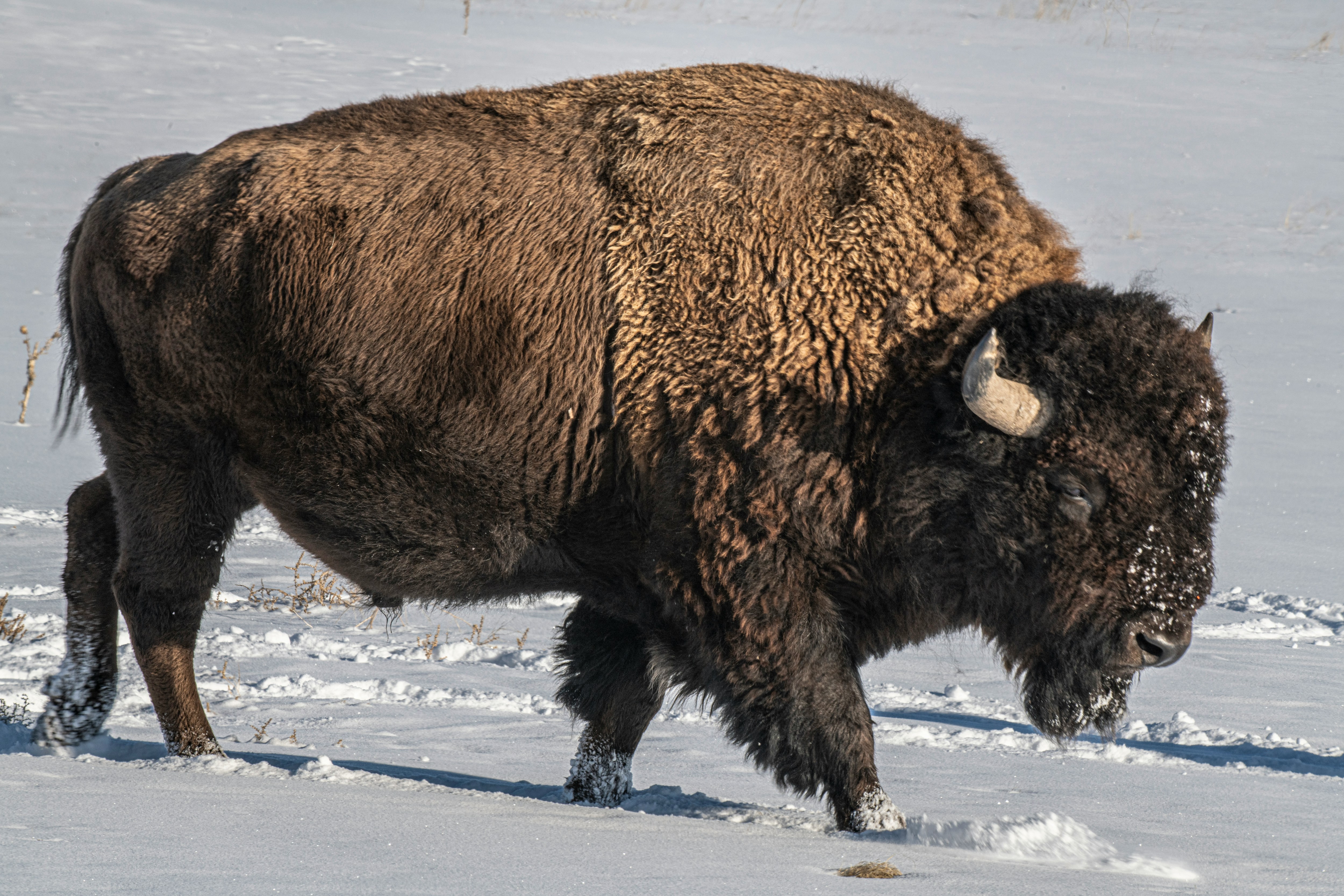
The bison sheds its coat in the spring of the year after winter is over. Then, in the fall, it grows its winter coat, which is a rich, dark brown color. The coat changes color during the winter and by spring is a lighter color. Bison bulls have large, heavy horns that curve upward. Cows’ horns are lighter and not as large.

Calves are born anytime from May to August and at first have a brownish-red coat. At ten weeks old, this brownish-red coat starts to darken and about five weeks later, turns to a dark brown color. They are very active almost immediately after birth, being able to run and kick their hind legs up in the air about three hours after birth. They also begin grazing at an early age – about six days old. They will stay with their mother, following her until the next spring, when they are about a year old before they venture out on their own.

These animals are natural grazing animals, but in Alaska, their food is only found along rivers and areas where fires have burnt old vegetation growth and created fresh foliage. They eat various types of grass, also silverberry, willow, and ground birch. Since Alaskan winters are extremely severe, it can be hard for the bison to survive. Their thick layers of hair and plenty of stored fat are an advantage to them in surviving the cold winds and temperatures. Strong winter winds tend to benefit the bison, as the winds will blow the snow, preventing it from accumulating and becoming too deep. The healthy bison usually survives the winters.

They migrate to a winter range in the northwest around Farewell Lake, where there are many small rivers and ponds with vegetation available for them to eat. They can smell food beneath deep snow and they use their huge bodies to push the snow away to get to the food.

Bison hunts have to be controlled to prevent the population from overburdening the limited range areas. Hunting bison is a challenge, as stalking them is difficult; and bringing them down also is quite a feat. They are the hardest of all Alaska’s big game to bring down. Their meat tastes much like beef and is delicious to eat.

Bears and wolves are predators of bison calves but usually do not have much luck, as the adult bison will fight to protect the calves. All predators will leave adult bison alone, because of their size, which intimidates them, and their large horns, which they use to fight with, and can easily kill another animal. They are second only to the black bear for viciousness towards any threatening creature.

Approximately sixty million bison roamed the Great Plains from Mexico to Canada and north into Alaska up until the nineteen century. Then came the insurgence of settlers crossing the United States. They killed thousands of bison mainly for their hides. Before this, the Plains Indians depended on bison for their food and hides. The Indians used the hides to make their clothes, their tents, etc. The bison had a great economical value for the Indians.